
Water Extraction: Getting the Water Out, Quickly and Thoroughly
Whether it's a few inches in a basement corner or a fully flooded lower level, we bring the right equipment to remove standing water and get the drying process started sooner.
Email Us for a Free Estimate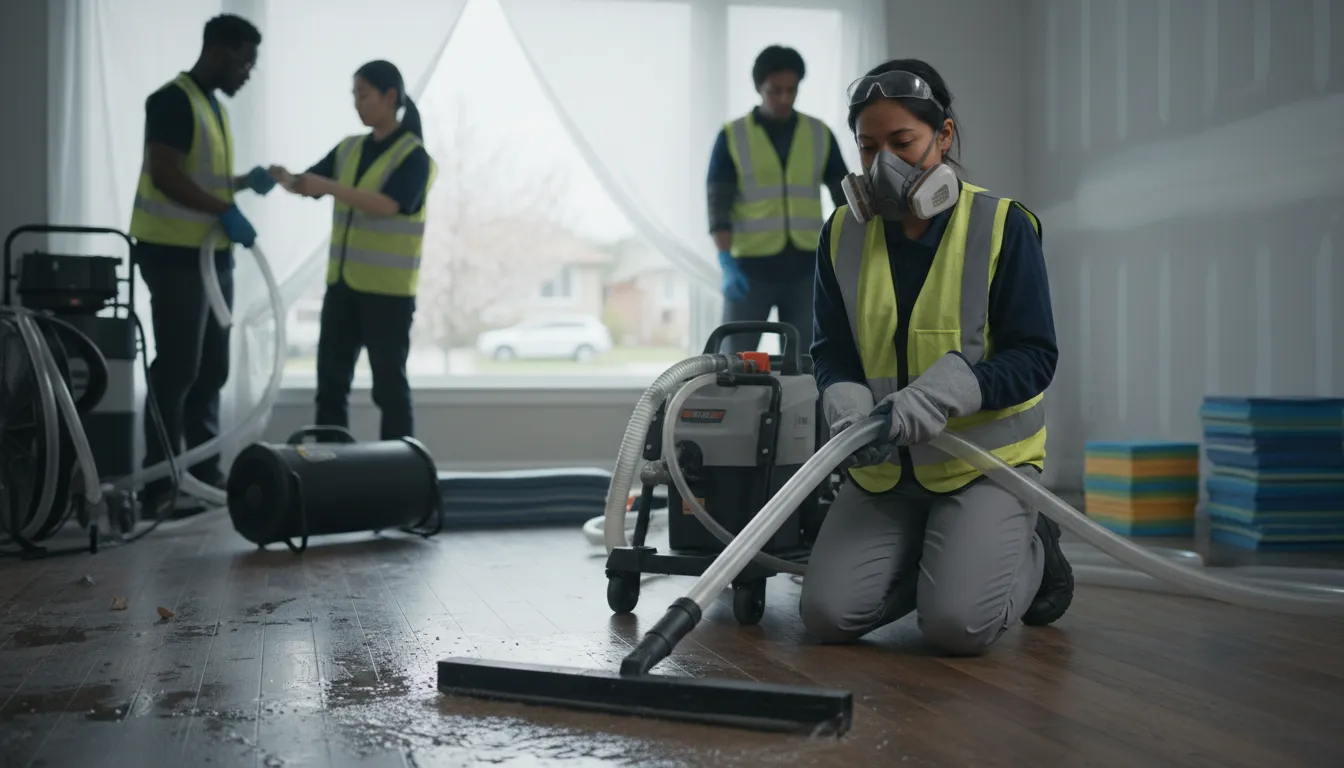
What Effective Water Extraction Looks Like
Getting water out quickly is only part of the job — doing it in a way that protects flooring and doesn't push water further into materials matters just as much.
Matching Equipment to the Job
A small bathroom leak and a fully flooded basement call for different extraction tools, and we choose based on volume and flooring type.
Protecting Flooring During Removal
We're careful with hardwood, laminate and carpet during extraction to avoid causing additional damage while removing water.
Working Room by Room
In larger flooding events, we prioritize based on where water is deepest and where it's likely to keep spreading.
Preparing for What's Next
Extraction sets up the drying phase, so we're already thinking about equipment placement as we finish removing standing water.
Standing Water Doesn't Stay Contained on Its Own
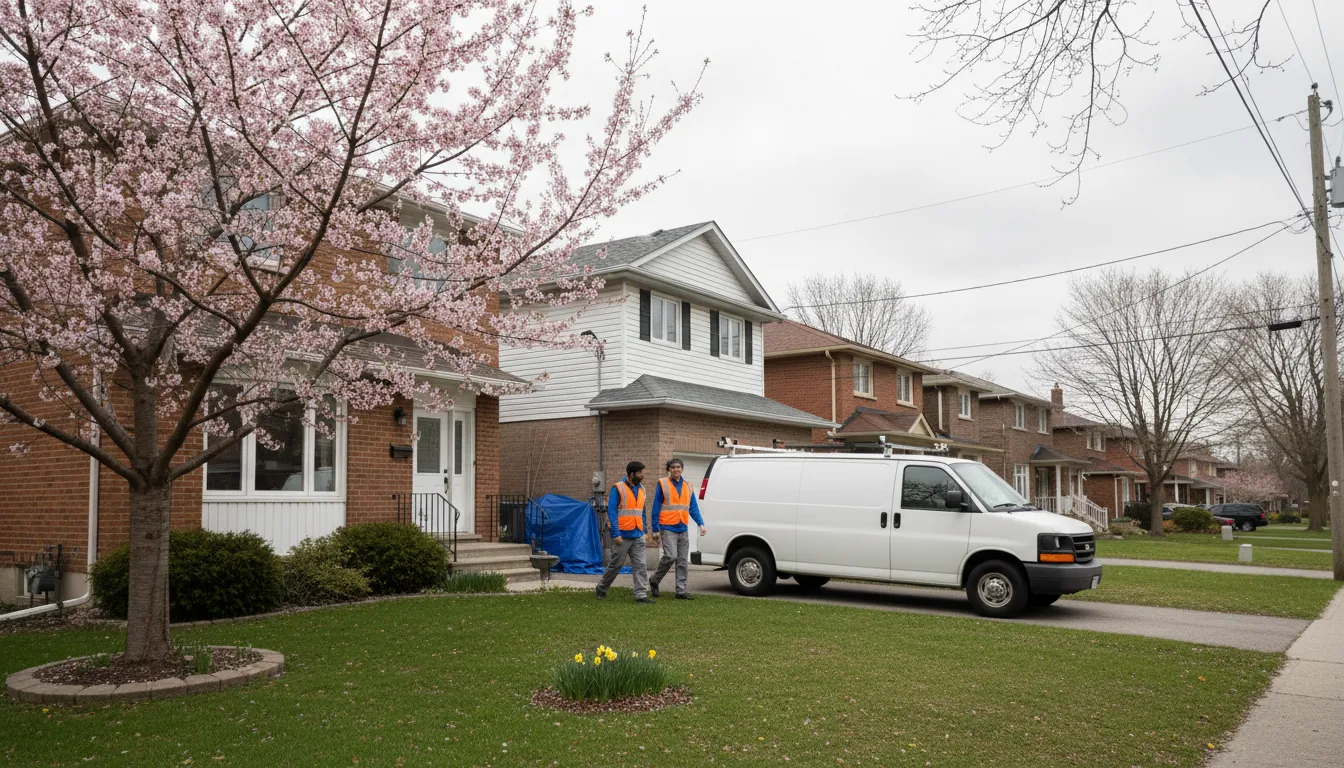
Water finds the lowest point and spreads from there, often travelling further than homeowners expect — under baseboards, beneath flooring, into wall cavities. A basement that looks like it has water in one corner may actually have moisture spreading well beyond what's visible.
We Extract Thoroughly, Not Just Where It's Obvious
Our extraction process accounts for how water travels in a typical GTA basement or main floor, checking beyond the visible pooling to make sure we're not leaving water behind to cause problems later.
Our Water Extraction Process
Extraction sets the tone for everything that follows, so we take it seriously.
- 1
Assess Water Volume and Spread
We check how much water is present and how far it's likely travelled beneath flooring and into walls.
- 2
Select Appropriate Equipment
Truck-mount or portable extraction tools are chosen based on the scale of the job and access to the space.
- 3
Remove Standing Water
We work through the space systematically, prioritizing areas with the deepest water first.
- 4
Check for Hidden Pockets
We look under flooring and behind baseboards where water commonly collects unnoticed.
- 5
Transition to Drying
Once extraction is complete, we move directly into placing drying equipment for the next phase.
Why Choose Us for Water Extraction
Extraction is where the rest of the restoration process begins, and we take the time to do it right.
Thorough Removal
We check beyond visible pooling to catch water that's spread further than expected.
Fast Response
We prioritize extraction calls to limit how long water sits in your home.
Careful With Flooring
We choose extraction methods that protect rather than damage your existing floors.
Experience With GTA Homes
From older basements to newer builds, we've extracted water from a wide range of layouts.
Clear Next Steps
We explain what comes after extraction so you know what to expect.
Proper Equipment
Truck-mount and portable extraction tools matched to the scale of the flooding.
Water Extraction Questions
How quickly can water extraction start?
We treat extraction requests with priority, since standing water causes more damage the longer it sits. Email us with details and we'll move as quickly as we can to get equipment on-site.
Can you extract water from under existing flooring?
In many cases, yes. Depending on the flooring type, we may extract from beneath it directly or need to remove sections to access trapped water underneath.
Is water extraction the same as flood cleanup?
Extraction is one part of flood cleanup — specifically, the removal of standing water. Full cleanup also includes assessing materials, sanitizing where needed, and drying the structure.
What happens to the water once it's extracted?
It's removed from your home using extraction equipment and disposed of appropriately, separate from any structural drying process that follows.
Do you extract water from crawlspaces?
Yes, we work in crawlspaces as well as basements and main living areas, adjusting our equipment and approach for the tighter access those spaces often involve.
Let's Get the Water Out Before It Spreads Further
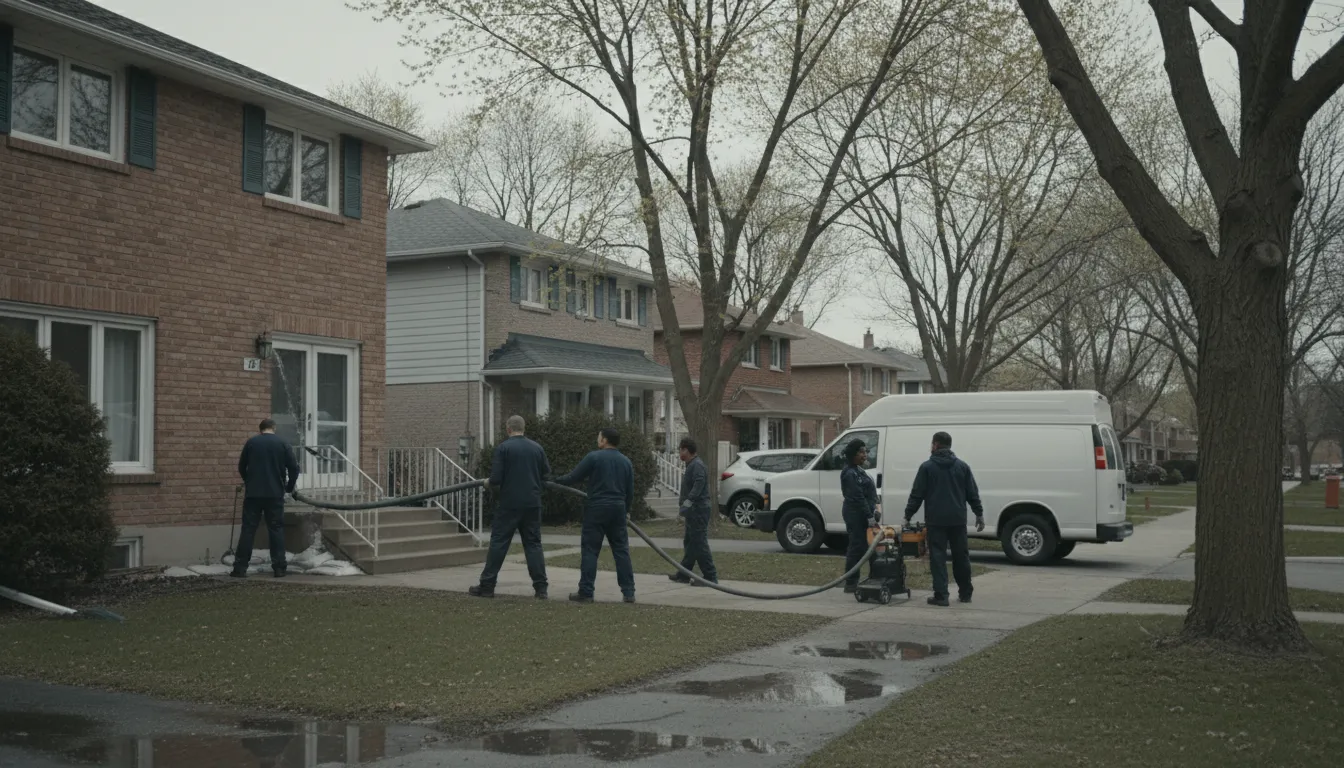
Email us today and we'll respond with next steps for water extraction.
Email Us for a Free EstimateWeather drives water-damage risk — email us if you find water.
Fall water-damage conditions in Vaughan, ON
Fall rain around Vaughan, ON tests gutters, sump pumps, and foundations; catching leaks and seepage early prevents the slow water damage and mold that surface over winter.
Proudly Serving Vaughan, ON
Local, on-time service throughout Vaughan and the surrounding area.